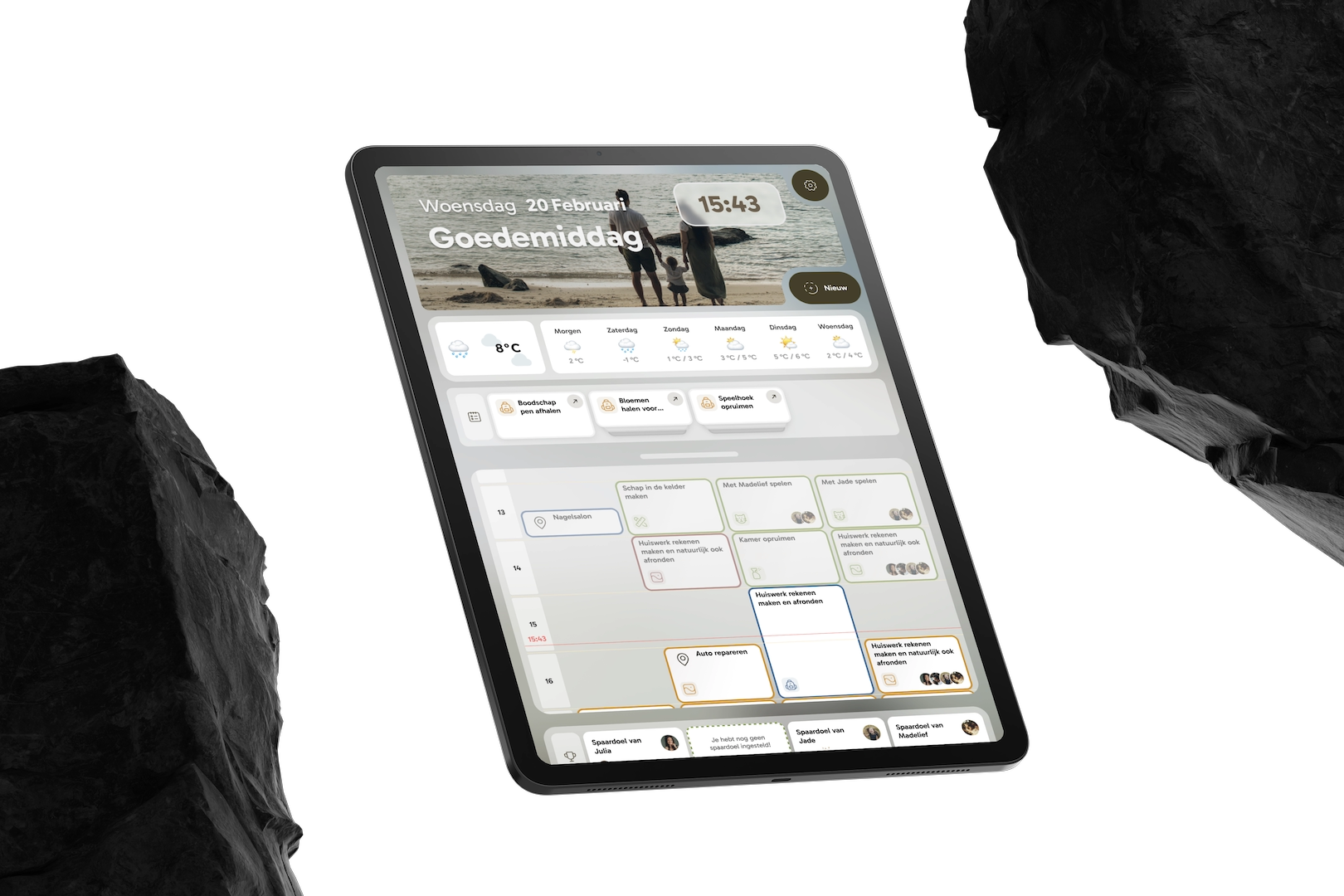
Hive was conceived as an elegant solution to the everyday chaos of family management. Instead of scattered notes and conflicting digital calendars, Hive is a dedicated, interactive display providing a single, visually accessible source for schedules, activities, chores, and reminders. As the UX Designer on this project, I worked closely with the BESEDER team to translate this vision from an initial concept into a fully designed and prototyped user experience, aimed at fostering connection and bringing calm to family life.
The challenge
Creating Hive presented several exciting UX challenges:
Designing for the whole family: The interface needed to be intuitive and engaging for a wide range of users, from tech-savvy parents to young children just learning about schedules and responsibilities.
Balancing information density: How could we display comprehensive family information (multiple schedules, chore lists, reminders) clearly on a single screen without it becoming cluttered or overwhelming?
Motivating engagement (Especially kids): A key goal was to make managing chores and schedules feel less like a burden and more like a positive interaction, particularly for children.
Creating a unified hub: Hive needed to seamlessly integrate various aspects of family life that are often fragmented across different tools (paper calendars, various apps, sticky notes).
Advocating for user needs: Working within real-world budget constraints, a specific challenge was ensuring that user testing remained a priority to validate our design assumptions before significant development investment.
My approach & process
- Concept & Vision Definition: Starting with the core idea of a family command center, I explored different interaction models and feature sets, defining the primary goals and user flows for Hive.
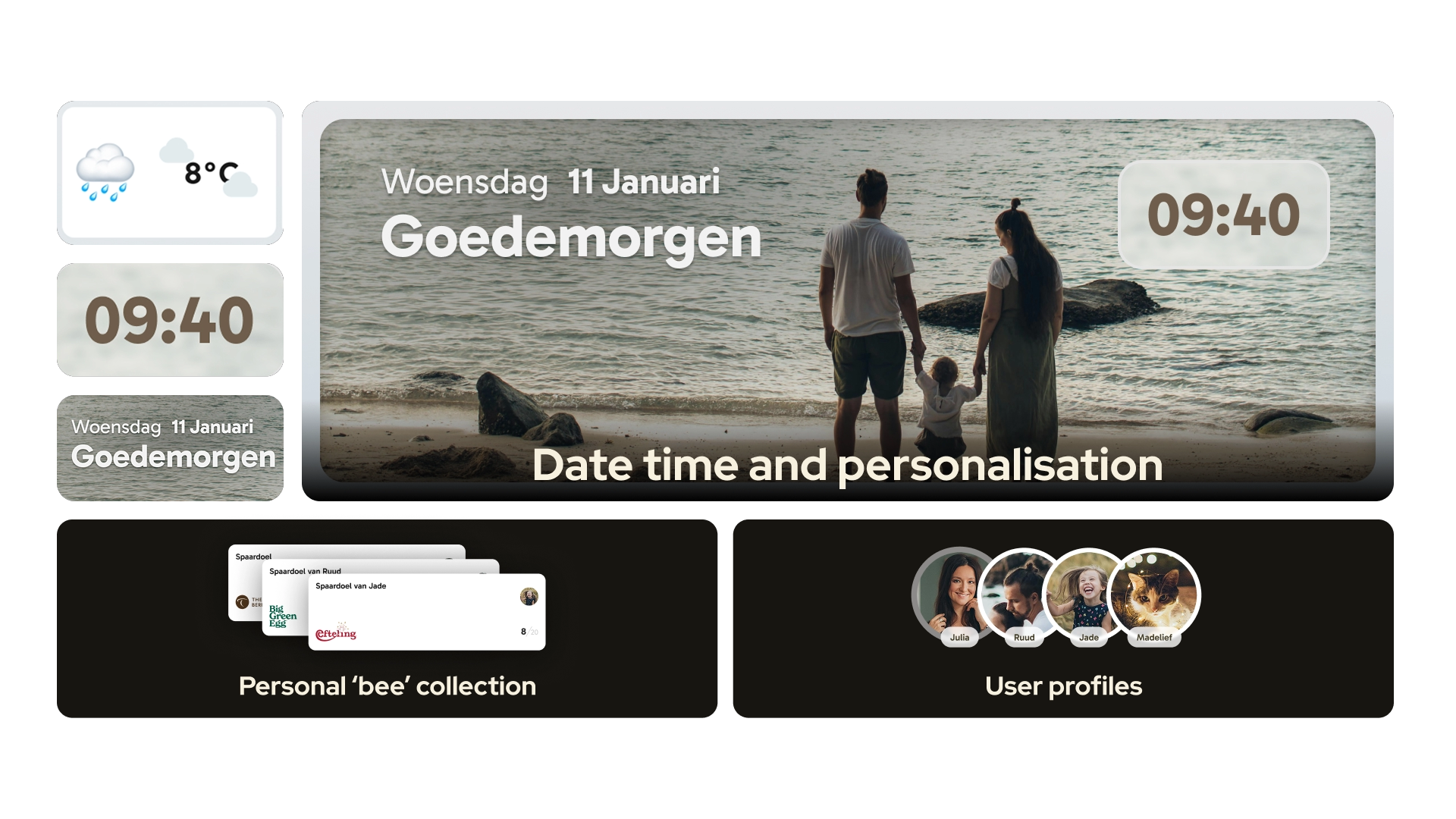
- Advanced Design in Figma: I built the entire Design system, user interface and experience within Figma, leveraging Figma’s advanced capabilities.
- Iterative Testing & Refinement: I conducted usability testing sessions with target users (likely families) using the interactive Figma prototypes. The insights gathered directly informed design refinements, ensuring the final prototype was user-centered and addressed key usability concerns.
The solution
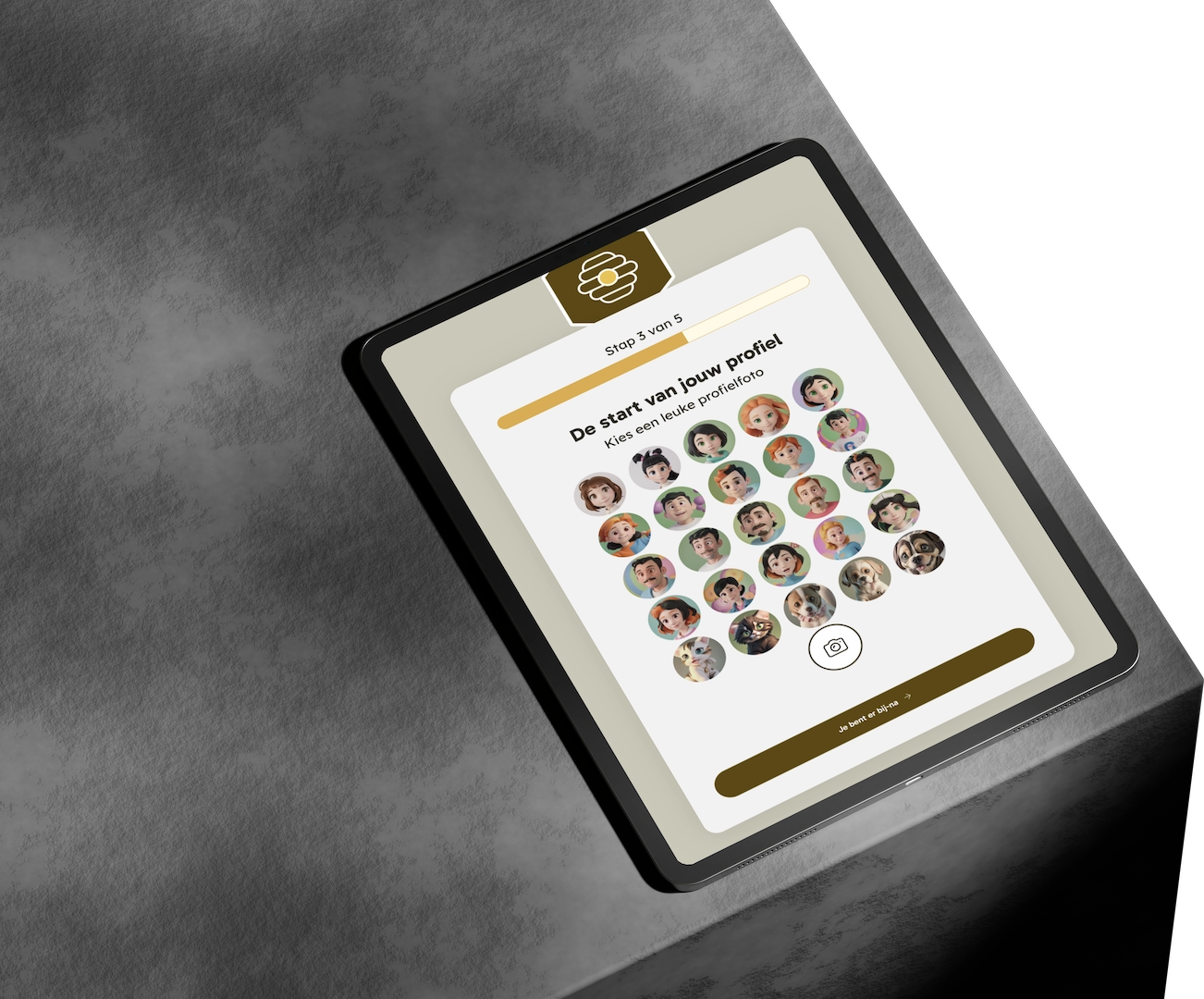
The outcome of the design phase is a high-fidelity, interactive prototype of the Hive family hub, ready for development. Key features include:
- Centralized Dashboard: An at-a-glance overview of the day’s or week’s key events, tasks, and reminders for the whole family.
- Integrated Family Calendar: Combines schedules from multiple family members in a clear, unified view.
- Interactive Chore Management: Visually engaging way to assign, track, and complete household chores, potentially incorporating motivational elements for children.
- Shared Lists & Reminders: Easy creation and visibility for grocery lists, to-do items, or important family reminders.
- Customizable Views & Themes: Potential for personalized views for different family members and aesthetic customization through light/dark modes managed via Figma variables.
This Figma prototype serves as a comprehensive blueprint for the physical Hive product.
The tools used
Design: Figma
The result
As Hive is currently pre-development/pre-launch (as of early 2025), the project’s success is measured by the quality and validation of the design deliverables:
- Complete Design Blueprint: Delivered a thoroughly designed user experience, including a robust design system and interactive prototype in Figma.
- User-Validated Concept: Testing sessions confirmed the core value proposition of Hive and provided positive feedback on the prototype’s usability and appeal to families.
- Development-Ready Asset: Provided BESEDER with a clear, validated, and technically detailed design foundation, streamlining the upcoming development phase.
- Demonstrated Technical Proficiency: Showcased advanced application of Figma for design systems, variable management (themes), and high-fidelity prototyping.